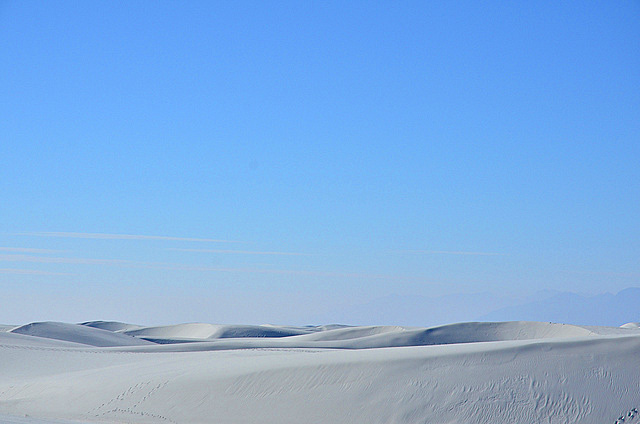
Anytime I am in the region, I go out of my way to visit White Sands National Monument. These photos are from late December of 2014. We were on our way to the Sonoran Desert for the winter.


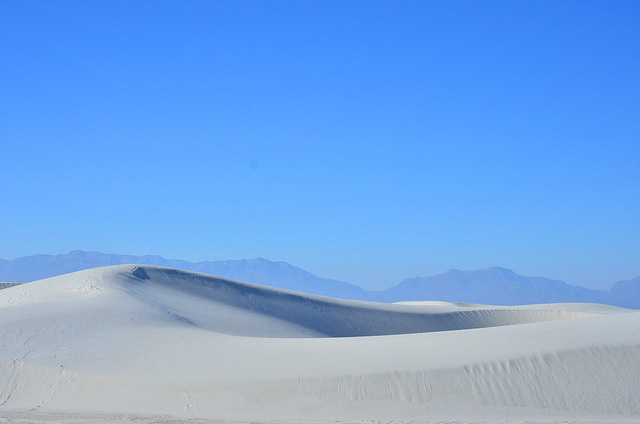


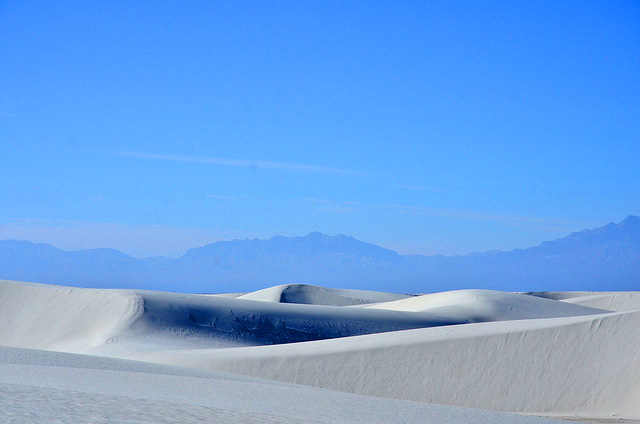


Anytime I am in the region, I go out of my way to visit White Sands National Monument. These photos are from late December of 2014. We were on our way to the Sonoran Desert for the winter.





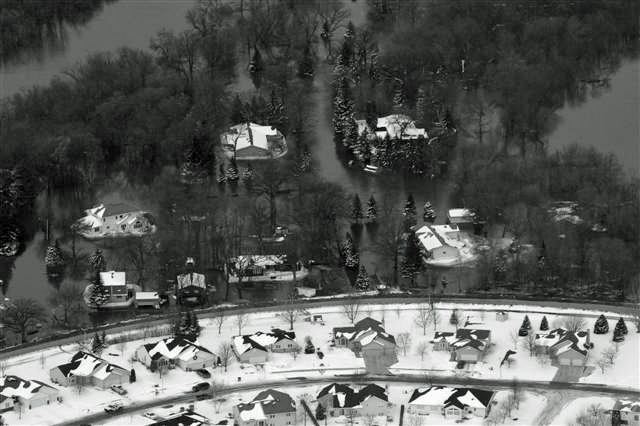
Our home is top left.
That life not be governed by fear. James Hollis in What Really Matters.
Everyone has fears. Some about the present; others about the future. Some of us live our lives by rigid black and white rules of right and wrong, either/or, and good and bad. That’s not how life is. I think those folks live frozen by fear of a gray and unpredictable world of change and complexity.
We can confront our fears and step into a time of renewal for ourselves and America. Or, we can deny our fears and push them into the dark shadows. There, frozen by fear, we resist change and greater maturity.
Some of our neighbors want to heal our planet. Others want to devour her in an addictive frenzy. Consuming our biomass is not sustainable.
Some of our neighbors want a robust middle class. Others want a few to get most of the America’s resources. Such inequality is not sustainable.
Some of our neighbors want to treat immigrants with dignity. Others want to build walls and put people in jail. A monoculture is not sustainable.
Some of our neighbors want to evolve rights for women, workers, animals and minorities. Others want to roll back justice for all but themselves. Such regression is unacceptable.
Some of our neighbors want to educate all children. Others don’t seem to care. Uneducated masses do not make for a sustainable democracy.
Some of our neighbors want government to help and protect citizens. Others want everyone to be out for themselves. Such separation is not sustainable. Life requires cooperative relationships.
Some of our neighbors want peace so we can renew America. Others want the distractions of perpetual war in far-away lands. Chronic war is not sustainable.
Some of our neighbors imagine a diverse, creative, cooperative and engaged citizenry. Others have a vision of a paternalistic and wealthy white oligarchy in control. With compliant masses, we regress to a more primitive time. Such an attack on Democracy is not acceptable.
Some of our neighbors live the promise of America’s future. Others model the dark side of America’s past. Allowing darkness to lead us is not sustainable.
Some of our neighbors are willing to change how they live to evolve life. Others are not. Without massive change by all, America will not sustain herself.
Which vision enlarges America; which makes America smaller?
Many of us suffer from a failure of nerve and a distorted perspective of how life works.
Fear should not control our nation and determine her future
Isn’t where we should go obvious?
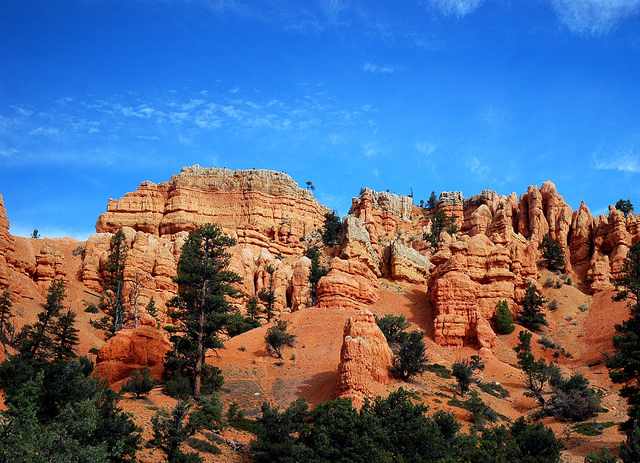
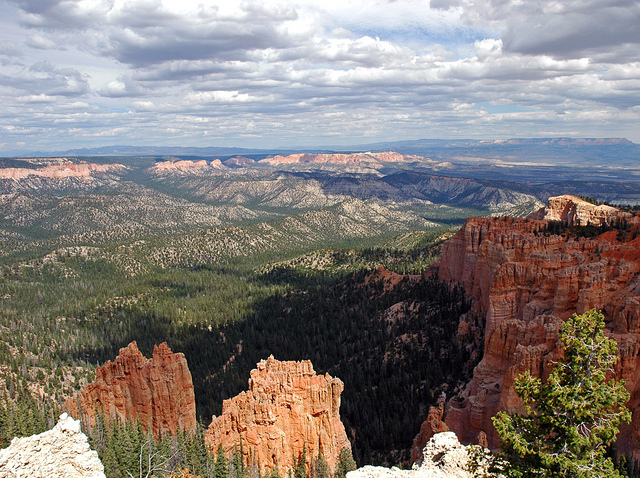


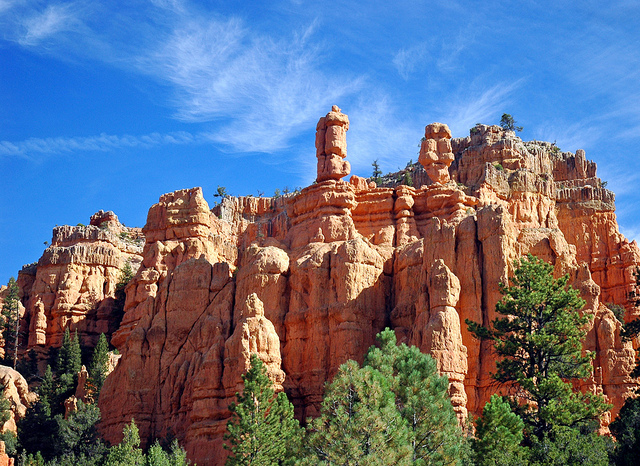
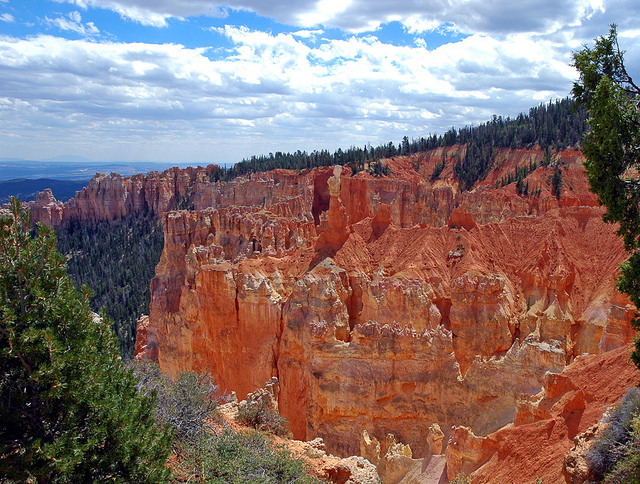

I get up early in Southern Arizona. I look at the dark sky filled with stars so close and bright you feel you could reach out and touch them. I put the dogs out, love them up and feed them. I do some odds and ends and keep an eye on the mountains about 15 miles to the east of us—the Santa Ritas.
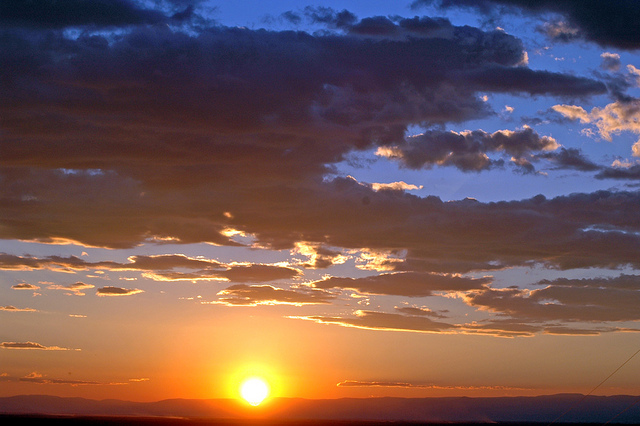
The sun comes over the mountain—a different sunrise every day.


I wait for the cool air to warm a bit and then Casey, my American Eskimo, and I go out and sit on the patio enclosed by a stone wall. Casey follows me wherever I go and he moves routinely throughout the morning to find the shade as the sun rises and moves.
I sit in my chair and face the sunrise. The air is cool and my skin feels the sun warming the sky around me. I’ve turned the fountain on, and I listen to the water gurgle and flow. The birds come alive and visit the feeders to eat and the fountain to drink. Their songs fill the air: the laments of the mourning dove; the loud call of the quail; the melodies of the Cardinal; the loud, staccato assertion of a road runner (who does not go beep-beep) and the buzzes and whistle of the world’s smallest bird—the hummingbird.




In the complex, diverse and interconnected natural world that teaches us about sustainability, I feel peaceful.
After a while, I do my workout with stretching, dumbbells and resistance tubes. My breathing grows deeper and faster and sweat goes down my forehead. My efforts feel good in the fresh air. Some days I do a meditation guided from my iPhone. I focus my awareness on the in and out of my breathing. Thoughts and feelings distract me. Sometimes I sneak a brief look at the birds I hear near me. I bring my focus back to the slow in and out of my breath. Other days I read for a while.
Melanie joins me with her coffee and iPad. We chat and make plans for the day. If food sits on the table, Maddy, our black lab, is sure to be near us. She begs with great focus and intensity. Casey lies in the shade along the patio wall and watches the birds come and go.
We stir to begin our day. We can’t sit still for long: We walk, hike, photograph, take day trips and sit in the pool and float.
Nothing we do feels as good as welcoming the sun and a new day’s fresh air.
(Click to Enlarge)

The Entrance to Lower Antelope Canyon near Page, AZ.





We are not here to fit in. We are here to be eccentric, different, perhaps strange. James Hollis in What Matters Most.
Feeling alive came natural as a kid—a time when we live a life of learning, adventure and imagination as we explore and master our worlds. We venture out bravely, don’t know the rules, adapt as we go, and have fun living out our fantasies of being courageous heroes and heroines who do good for others. Childhood may be our last time of authenticity for a long time—maybe forever.
Somewhere along the way conformity and compliance become the rules–about the time we go to school, I imagine. Peers, parents and teachers mold us to be clones of one another. From then on most of us sacrifice our courage and authenticity as we try to fit in to be accepted by others in order to “succeed.”
When we begin our young adult lives—perhaps smart but unwise, inexperienced and full of ourselves–we think ourselves free and in charge. But the pressures to conform continue, often below the surface of our awareness. The unwritten rules of corporations and institutions replace our parents as the paternalistic voices in our lives and demand obedience and submission as the price of a job. Their message is, “Don’t think, do what we tell you and don’t rock the boat.”
And we don’t.
Gradually we often suffer a loss of nerve and live small lives. We seek to please others and forget to please ourselves. We feel obligated to be responsible for others but are not responsible for ourselves. One by one we make decisions that diminish us. Choice by choice we lose ourselves and sleepwalk through life. We cannot answer the questions, “Why am I here? What do I want?”
Around the middle of our lives, something might cause us to wake up. We realize that our lives are half over and that we only have one life and it is running out of time fast. We give ourselves permission and ask some important questions: Who am I apart from my roles? What do I want for my life? What does life ask of me? Can I live a larger life? We ask, “Do my choices enlarge me or make me smaller?” James Hollis wrote, “…we all have to grow up, become wholly responsible for our lives, relinquish the search for the good parent in others and stop whining.”
When we take responsibility for our lives, we can, if we want, live the larger, more authentic lives that were always meant for us.
Will we?





$70 billion a year for corporate training in the U.S. (Forbes)?
Much of that obscene amount is spent on leadership development and mostly failed efforts to transform corporations.
I had nine promotions over 16 years at the Star Tribune newspaper in Minneapolis, MN. When I left the company the CEO of Cowles Media said my leadership had changed the company forever.
In each job I led groups of people from mediocrity to excellence in value-driven ways. In eight of those positions, I didn’t have consultants or training programs to help me. I simply did what made sense to me and acted according to my values.
Each time I left a group, it regressed to previous levels of mediocrity or worse. This pattern cuts across all levels of leadership in all industries.
I left the Star Tribune and completed a Ph.D. in Leadership and Organizational Change. I wanted to help leaders develop the talents needed to lead organizations through transformational change. In 13 years of consulting, I met two leaders I thought were great. One was fired (guess what happened to the company he led) and the other was promoted.
I met many executives who claimed they wanted to transform the cultures of their organizations as one way to improve the bottom line. None had the insight they needed to change how they thought about leadership and organizations and undergo a personal transformation as or before they led their organizations through transformation. All resisted doing the difficult personal work to grow as leaders. All proved to lack the skills, talents, courage, and commitment to lead difficult change. They wanted cosmetic quick-fixes: fast, easy, cheap and painless and from the outside with no demands for them to learn new things or manage difficult conflict. They didn’t want to lead people; they wanted to fix machines.
Quick fixes endure because they ask so little of us.
I interviewed a front-line supervisor in the power industry. He was upset.
He said, “A consultant sat with me every minute for two weeks and told me how to do my job. I thought I was going crazy. I had to go to a psychiatrist.”
I asked, “What happened after the consultant left?” He smiled and said, “Everything went back to the way it had been.”
That outcome happens in a high percentage of training and change efforts that try to mechanically fix organizations from the top utilizing outside experts who get a significant percentage of the $70 billion spent on “corporate training.”
James Hollis, Ph.D. wrote in “What Really Matters”:
Further, I have come to consider most of what passes for “self-help” literature today as obscene because it ignores the complexities of life, glosses over the ardor and commitment required for change, and promises panaceas not likely to happen.
I could say the same about leaders, academics and consultants. Our enterprises have a dearth of quality leaders. Too many leaders, consultants and authors of books about life in organizations ignore or deny the dark side of life in organizations. Real leaders in organizations often get marginalized. People try to transform organizations from a world view that guarantees a reinvention of what already exists. Too many lie about how hard change can be. Billions of dollars are, I believe, wasted year after year.
Those few genuinely talented and value-driven senior leaders in our organizations should save much of the money spent on corporate training, identify the gifted leaders in their companies (at all levels) who get marginalized because their abilities frighten others, and elevate them to positions of power in their enterprises. Then involve them and engage them with you to create vision, values and purpose and send them out to engage and involve employees and make the vision real.
These leaders will do the rest including making decisions on the books they will read, consultants they will hire and training programs they will use.




 Tom's Thoughts