

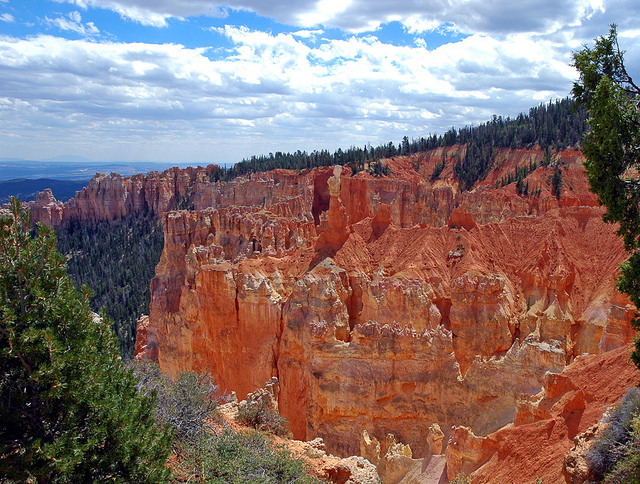

I get up early in Southern Arizona. I look at the dark sky filled with stars so close and bright you feel you could reach out and touch them. I put the dogs out, love them up and feed them. I do some odds and ends and keep an eye on the mountains about 15 miles to the east of us—the Santa Ritas.
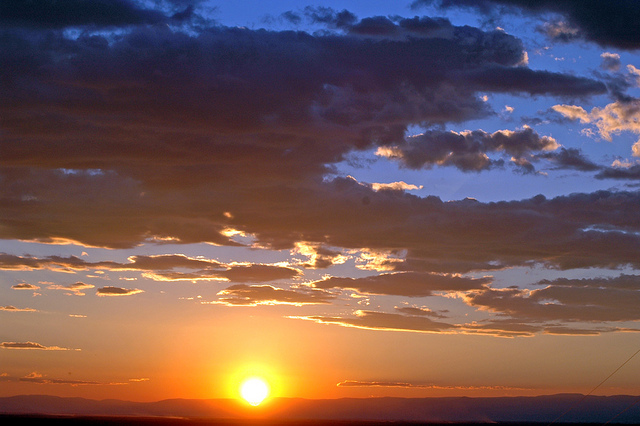
The sun comes over the mountain—a different sunrise every day.


I wait for the cool air to warm a bit and then Casey, my American Eskimo, and I go out and sit on the patio enclosed by a stone wall. Casey follows me wherever I go and he moves routinely throughout the morning to find the shade as the sun rises and moves.
I sit in my chair and face the sunrise. The air is cool and my skin feels the sun warming the sky around me. I’ve turned the fountain on, and I listen to the water gurgle and flow. The birds come alive and visit the feeders to eat and the fountain to drink. Their songs fill the air: the laments of the mourning dove; the loud call of the quail; the melodies of the Cardinal; the loud, staccato assertion of a road runner (who does not go beep-beep) and the buzzes and whistle of the world’s smallest bird—the hummingbird.


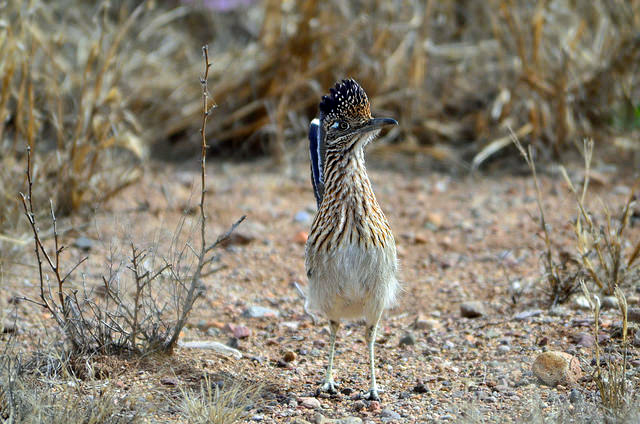

In the complex, diverse and interconnected natural world that teaches us about sustainability, I feel peaceful.
After a while, I do my workout with stretching, dumbbells and resistance tubes. My breathing grows deeper and faster and sweat goes down my forehead. My efforts feel good in the fresh air. Some days I do a meditation guided from my iPhone. I focus my awareness on the in and out of my breathing. Thoughts and feelings distract me. Sometimes I sneak a brief look at the birds I hear near me. I bring my focus back to the slow in and out of my breath. Other days I read for a while.
Melanie joins me with her coffee and iPad. We chat and make plans for the day. If food sits on the table, Maddy, our black lab, is sure to be near us. She begs with great focus and intensity. Casey lies in the shade along the patio wall and watches the birds come and go.
We stir to begin our day. We can’t sit still for long: We walk, hike, photograph, take day trips and sit in the pool and float.
Nothing we do feels as good as welcoming the sun and a new day’s fresh air.
(Click to Enlarge)

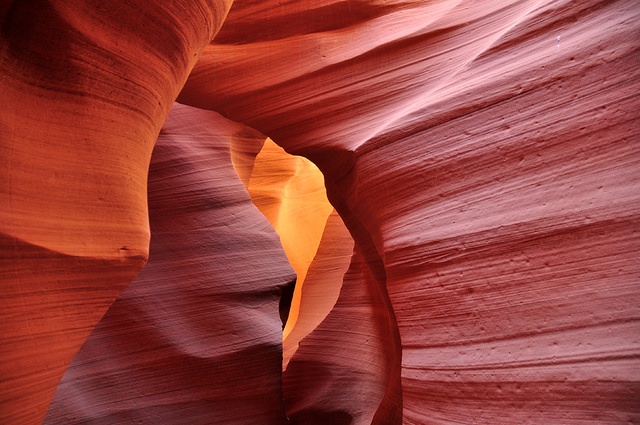
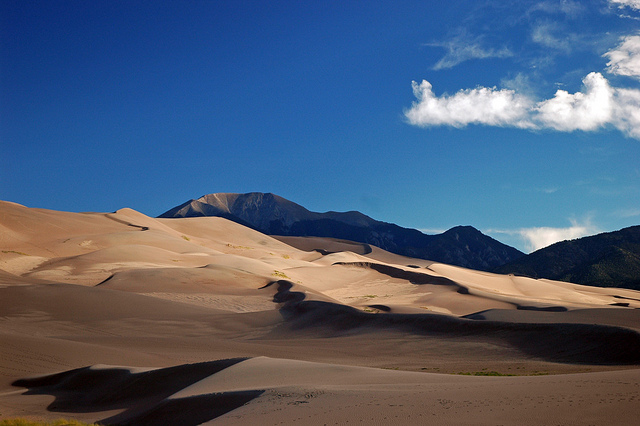
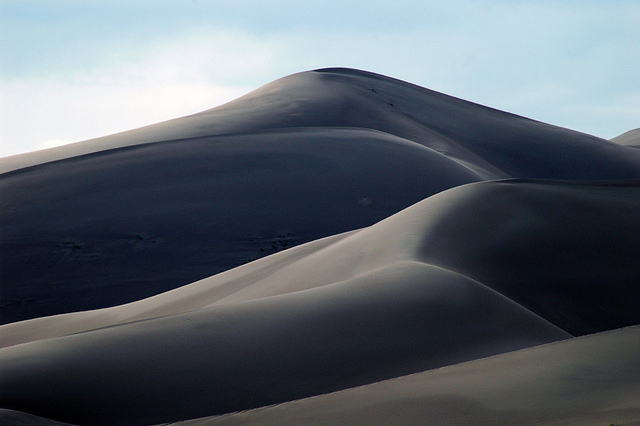
The Entrance to Lower Antelope Canyon near Page, AZ.



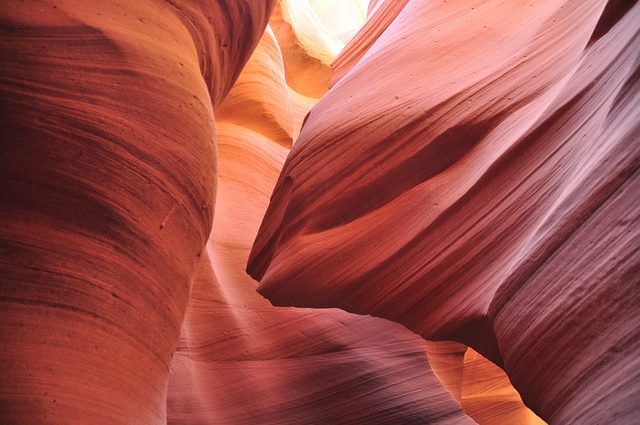


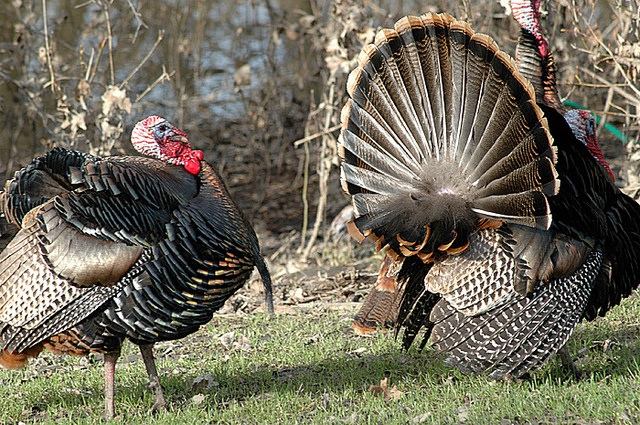


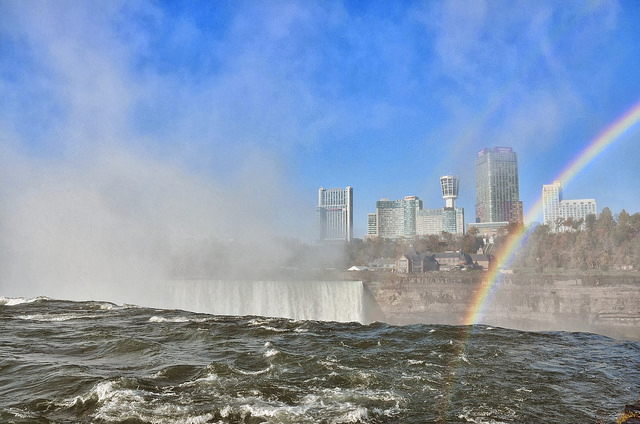


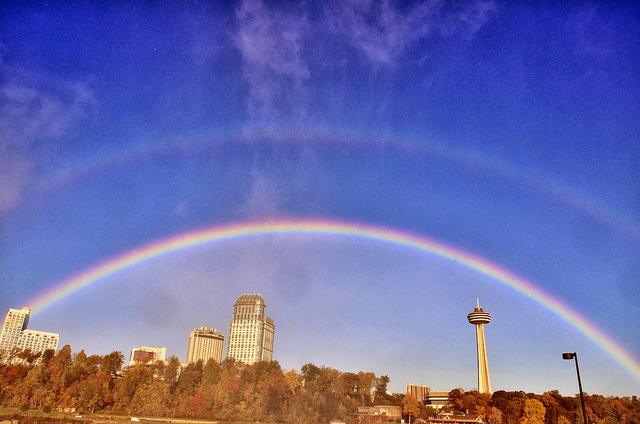


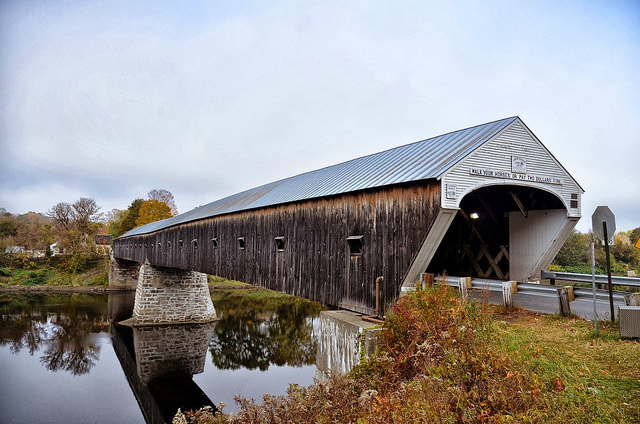
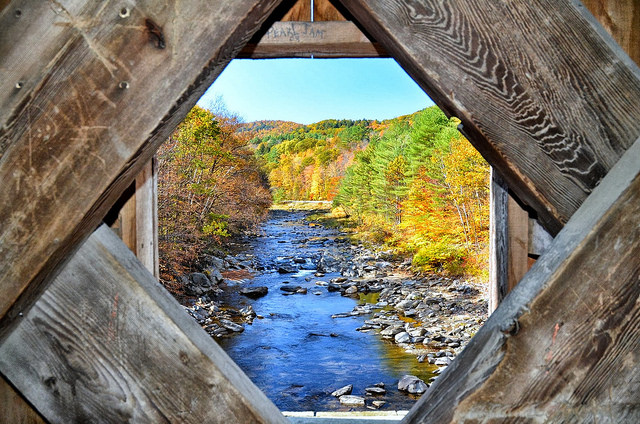
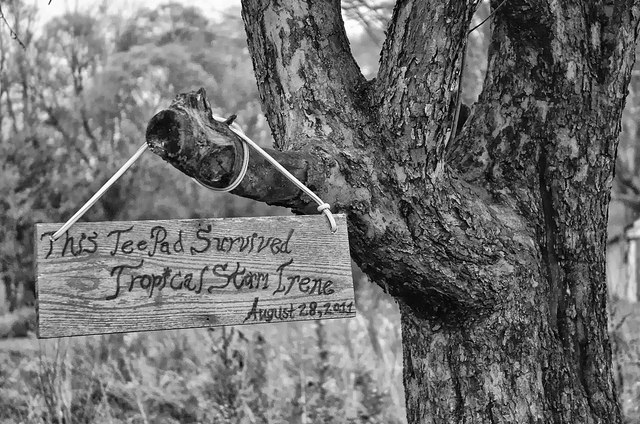


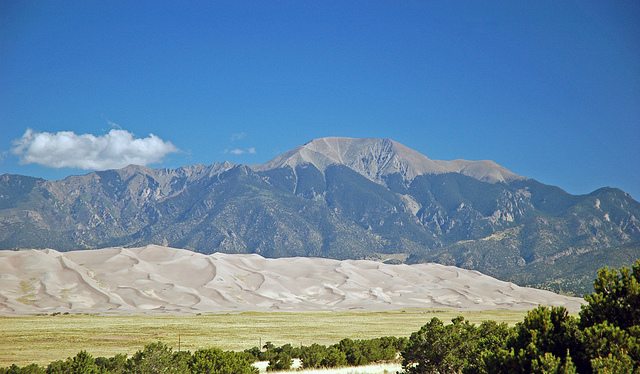


Near Taylor’s Falls, MN
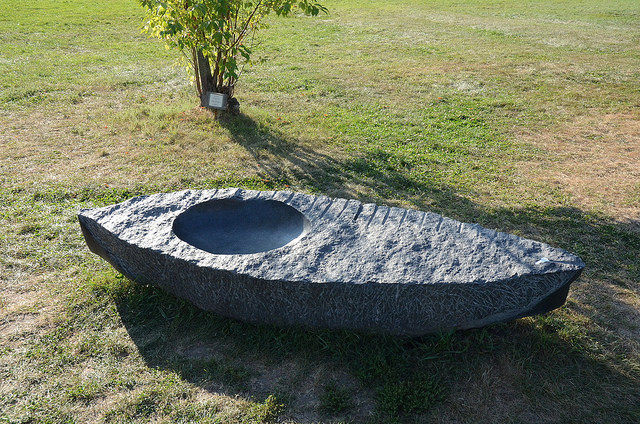

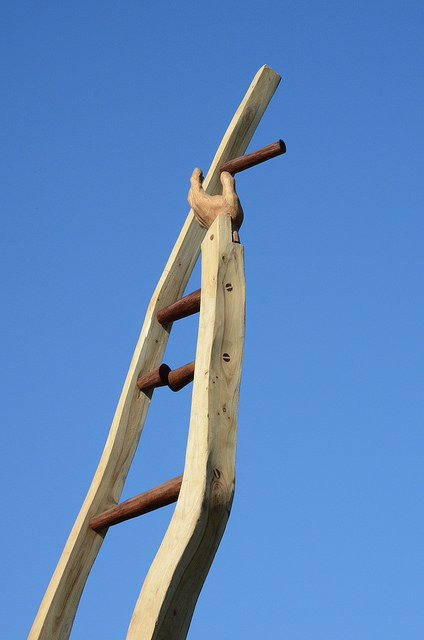
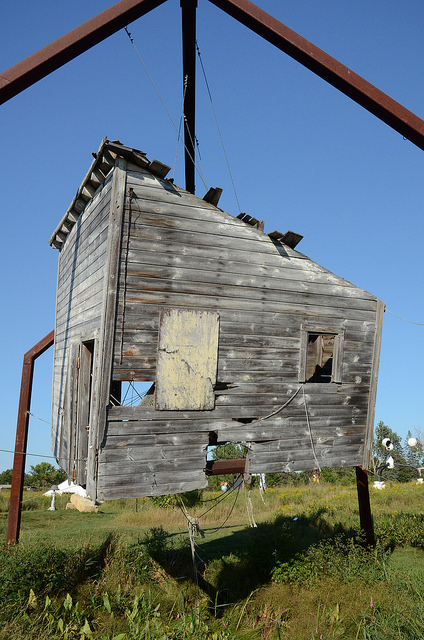


Near Frazee, MN
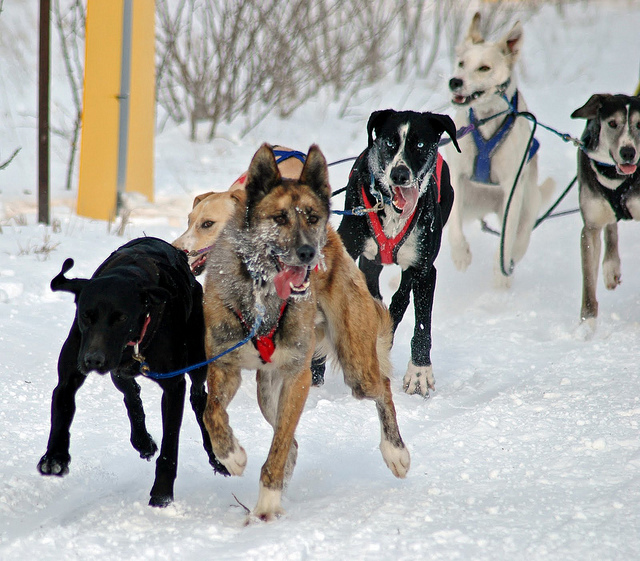
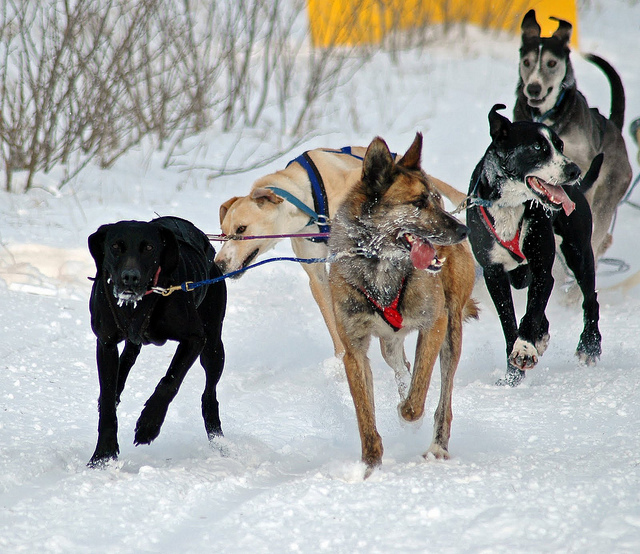

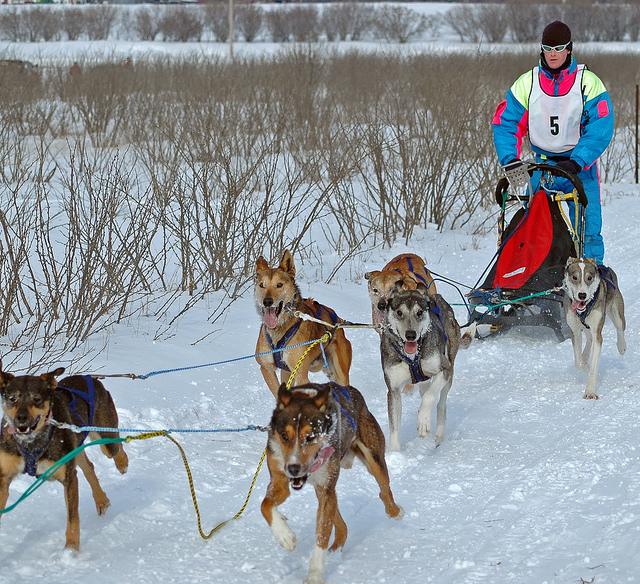
We hit the road early on a day-trip to Arivaca, Arizona. Sixty miles south of Tucson, Arivaca—a birding hotspot–is 11 miles from the International Border with Mexico and is home to 700 residents including artists and descendants of pioneer families.
Arivaca Road—a curvy two-lane road surrounded by stunning scenery–took us 23 miles from Amado, AZ to Arivaca:

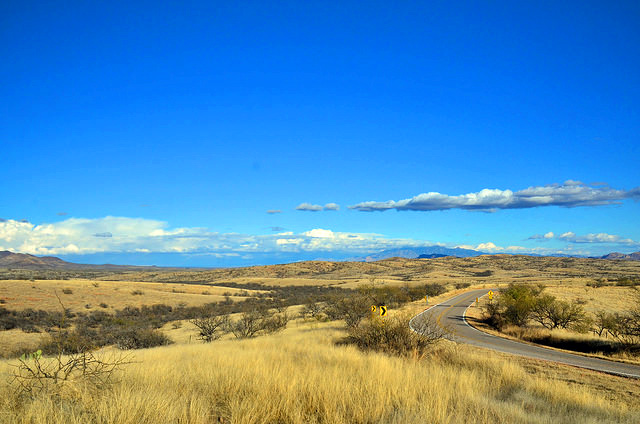

We made quick visits to the weekly Farmer’s Market and monthly swap meet and visited the Artists’ Co-op:


The Border Patrol checkpoints and heavy law-enforcement presence is not universally appreciated by the locals:
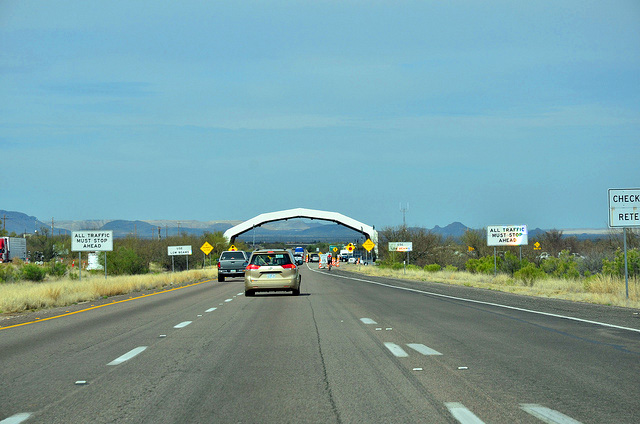
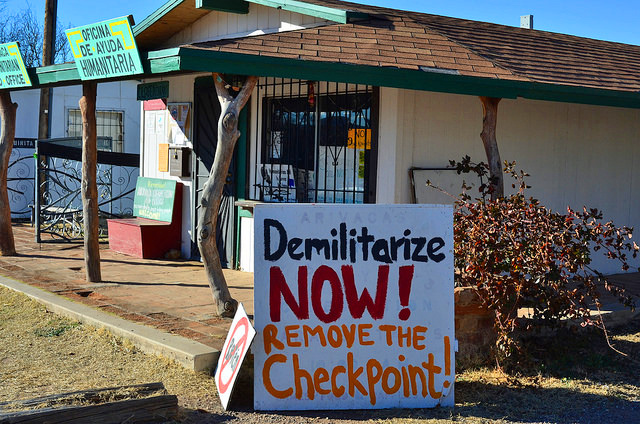
Then it was off to a 1 ½ mile hike in the Arivaca Cienega:

Next on our list was a hike along Arivaca Creek and Mustang Trail to look for wildlife. On the way, Melanie spotted an antique store: a must stop. I told the owner about our hiking plans.
“Do you have a gun?” he said.
“No,” I replied.
“I wouldn’t hike there without a gun. Illegals use that trail.” (Later a friend familiar with the hikes said she had not heard of any issues on these trails with crossers.)
“What about Ruby Road,” I asked.
Ruby Road is a scenic unpaved mountain road that goes 34 miles from Arivaca to interstate 19 about nine miles north of Nogales, AZ.
“Turn around and go that way,” he said. “It will take you about an hour.”
Off we went.
I spent 2001 living on the side of a mountain near Ouray, Colorado. I drove the 4-wheel roads into the mountains throughout the 14 months that I lived there. I loved the exploration, the challenges, and the photo opportunities. I was excited to take the drive. Melanie not so much: she reclined her seat so she wouldn’t have to look over the edges of the road.
The road was rough with water pooled in the low spots. I drove about 10-15 miles/hour.
Six miles down the road, we stopped and looked at Arivaca Lake:


Further down the road was the ghost town of Ruby:

The road was rocky. I began to wonder if we had a flat tire. Our SUV rode okay but sometimes it sounded funny. I didn’t say anything. I didn’t want to have a flat tire. Melanie later told me the same thing. She said, “I didn’t say anything because it might make it real.” Our responses were good examples of denial in action.
The hour drive was now over three hours.
I looked into the rear-view mirror. A border patrol truck was behind us. I pulled over so he could pass me. He stopped and said, “You have a flat tire. Good luck.” And off he went.
I found a mostly flat place to stop. Out came the spare tire. At first I couldn’t get the lug nuts to move. I put the wrench on one and jumped on it with 200 pounds.
The lug-nut turned and I did the same on the rest.
I got down to take the tire off. It wouldn’t move. I tried over and over and it would not move. Images of being stranded for hours and paying hundreds of dollars to get the SUV loaded on a flat-bed truck flashed through my mind.
Melanie was not happy. She feared smugglers and driving off a cliff; I feared her.
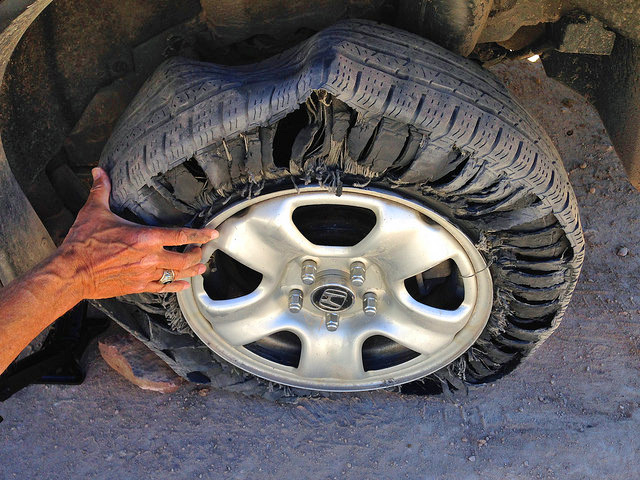
A truck drove by. I chased it down the road and hollered, “Can you tell us where we are?” I knew where we were but didn’t know the roads to be able to describe where we were if we had to call for help.
The man and woman stopped and got out and we studied the map. He tried to get the tire off the wheel—it didn’t budge.
Just then another border patrol agent stopped. He tried—no luck. Then another agent came from the opposite direction. He tried—the wheel was stubborn.
I got a cell-phone signal. I called AAA. One of the agents took the phone and told the customer service person our coordinates.
The man who had stopped said, “I wish I had a hammer with me. I could hit the wheel and maybe loosen the tire.”
The second agent to arrive said, “I have a hunk of wood in the truck.”
He got under our car and whacked the tire with the heavy piece of wood. It moved!
We asked the Border Patrol agents for their names so we could write a letter to their bosses praising them. They declined. I shook hands with the man who had the “whack it” idea and hugged his wife goodbye.
Five minutes later, we were on our way down the final hills to interstate 19 and the drive back to our winter home. We called AAA—who had been great–and cancelled the service call.
It was late and the two tire stores we called were going to be closed soon. We decided to park the car until Monday and then go to buy a new tire.
On Sunday night, I noticed the other back tire was flat.
We called AAA the first thing on Monday morning. They came and inflated the tire. We hurried to a tire place before the tire went flat and purchased two new tires.
I should have known better. The first two 4-wheel-drive trips I took in 2001 resulted in flat tires. One at 12,000 feet and the other at about 10,000 feet in a driving rain. I quickly replaced all the tires.
I had forgotten the lesson I learned in the San Juan Mountains: don’t drive unpaved roads that are not maintained with standard tires.
Big thanks to the Border Patrol agents, AAA, and the couple who stopped to help.
 Tom's Thoughts